Signs You Have Bees Nesting in Your Home or Building
If you notice signs you have bees nesting in your home or building, local contractors can safely remove the hive and prevent further issues.
Recognizing signs you have bees nesting in your home or building is an important step for property owners in the area. Bees often choose quiet, sheltered spots to establish colonies, and their presence can sometimes go unnoticed until the hive becomes quite large. Common indicators include the sight of a buzzing activity near eaves, vents, or wall voids, as well as the appearance of a small, papery structure or a persistent, faint hum. Identifying these signs early can help prevent potential issues such as property damage or unwanted stings, making it worthwhile to explore local bee nest removal services that specialize in safe and effective solutions.
For property owners dealing with signs of bee activity, understanding the importance of professional assistance is key. Local service providers who handle bee nest removal are equipped to assess the situation accurately and implement removal methods that prioritize safety-for both residents and the bees. Whether it’s a small hive tucked away in an attic or a larger colony building a nest in an exterior wall, connecting with experienced local contractors can ensure the problem is addressed properly. Keep reading to learn more about how to spot these signs and when it’s time to seek expert help for bee nest removal.
- Bee nest removal services are needed when signs of large, buzzing activity near eaves or soffits indicate a hive presence that requires professional removal. Local contractors assess the situation carefully to safely remove the nest and prevent future infestations. Bee hive removal is essential if you notice persistent bee activity around vents or chimney chases, with service providers using humane methods to handle the hive. Bee swarm removal is necessary when swarms gather on exterior walls or trees, and local experts can relocate the swarm safely without harming the bees. Bee removal and exclusion services come into play if there are signs of bees entering cracks or gaps in the building structure, with specialists sealing entry points after hive removal.
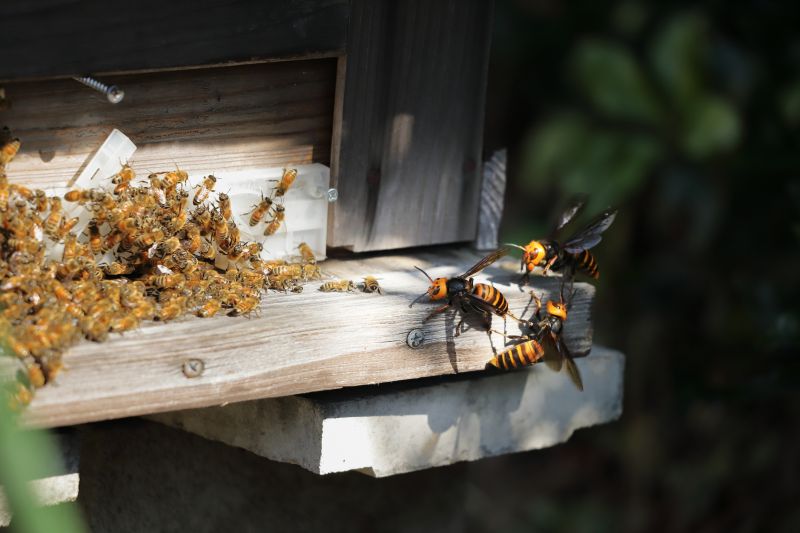

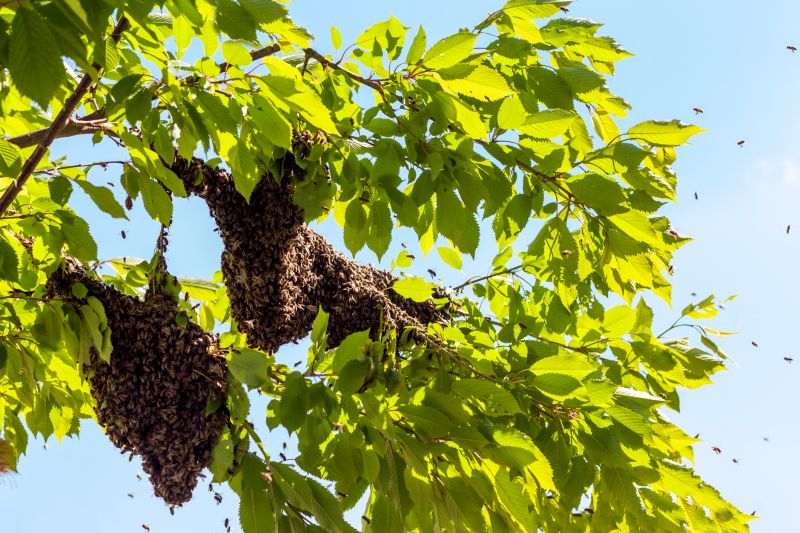
Understanding the signs you have bees nesting in your home or building is essential for early detection and effective management. Homeowners often notice visual cues such as a persistent buzzing sound near eaves, soffits, or wall voids, which can indicate the presence of a bee colony. Additionally, small, clustered holes or entry points on exterior walls or roof overhangs may serve as signs that bees have established a nest nearby. Recognizing these indicators early can prevent more significant problems, such as structural damage or increased bee activity, and help property owners decide when to seek assistance from local contractors experienced in bee nest removal.
This topic is closely related to property maintenance, pest control planning, and safety considerations. Bees nesting inside or around a building can pose challenges for residents and workers, especially if the colony becomes large or aggressive. For example, a hive located close to frequently used entrances or outdoor living spaces can create safety concerns or interfere with daily activities. Property owners often explore these signs when planning for removal or preventative measures, making it important to understand how to identify bee activity and when to involve professionals who specialize in safe and effective bee nest removal.
Properties that typically come up in discussions about bee nesting include residential homes, especially those with overhangs, attics, or wall cavities, as well as commercial buildings like warehouses, barns, or retail spaces. Structures with accessible gaps, cracks, or wood features are more susceptible to bee nesting. Urban and suburban environments often see these issues, as buildings with sheltered areas provide ideal spots for bees to establish colonies. Recognizing the common property types affected helps homeowners and property managers determine when to seek the expertise of local service providers who can assess the situation and safely remove the nest.
In many cases, identifying signs of bee nesting early can make a significant difference in managing the problem effectively. Local pros who specialize in bee nest removal are equipped to handle these situations safely, whether it involves relocating the colony or removing the nest entirely. They can provide guidance on preventing future nesting by sealing entry points or implementing other deterrents. Connecting with experienced service providers ensures that the removal process respects local regulations and minimizes risks associated with bee activity, helping property owners maintain a safe and bee-free environment.
Wildlife Removal Projects - handling various types of animal intrusions, such as raccoons or squirrels, shares skills with bee nest removal in identifying entry points and safely managing nesting sites.
Pest Control Treatments - applying treatments to eliminate insects like wasps or hornets involves similar planning, tools, and safety precautions as removing bee nests from structures.
Attic Insulation and Ventilation Projects - these projects often require inspection of hidden spaces for pests or nests, paralleling the assessment needed for bee activity inside walls or attics.
Structural Damage Repair - repairing damage caused by pests or nesting animals involves planning and tools comparable to those used in removing bee colonies from building exteriors.
Bird Deterrent Installations - installing deterrents to prevent bird nesting in unwanted areas involves understanding nesting behaviors, similar to identifying signs of bee nests in structures.
Home Inspection Services - inspecting properties for signs of pest or animal infestations requires keen observation and assessment skills, relevant to detecting bee nesting signs in homes or buildings.

When comparing service providers for bee nest removal, it is important to consider their experience with similar projects. Homeowners should inquire about how long a contractor has been handling bee nest removals and whether they have successfully worked on properties comparable to their own. An experienced contractor is more likely to understand the nuances of safely removing bees and their nests, reducing the risk of property damage or incomplete removal. Additionally, verifying that a contractor has a track record of handling these specific types of jobs can provide added confidence in their ability to manage the situation effectively.
Clear written expectations are essential when selecting a bee nest removal service. Pros should provide detailed information about the scope of work, including how they plan to locate and safely remove the nest, as well as any follow-up or prevention measures. Homeowners should seek transparency about what is included in the service and any potential limitations. Having a written outline helps ensure that both parties are aligned on the process, reduces misunderstandings, and provides a record of what was agreed upon, which can be useful if questions or concerns arise later.
Reputable references and good communication are key indicators of a trustworthy service provider. Homeowners can ask for references or reviews from previous clients to gauge the quality of work and professionalism. Clear, prompt communication from the contractor during initial inquiries also reflects their level of customer service and willingness to address questions or concerns. A contractor who communicates effectively and provides references demonstrates a commitment to transparency and customer satisfaction, making it easier to select a provider capable of handling bee nest removal safely and efficiently.
Property owners often search for signs you have bees nesting in your home or building when they are planning practical projects around their homes and businesses. Local pros provide Bee Nest Removal services for everyday jobs and straightforward project options.
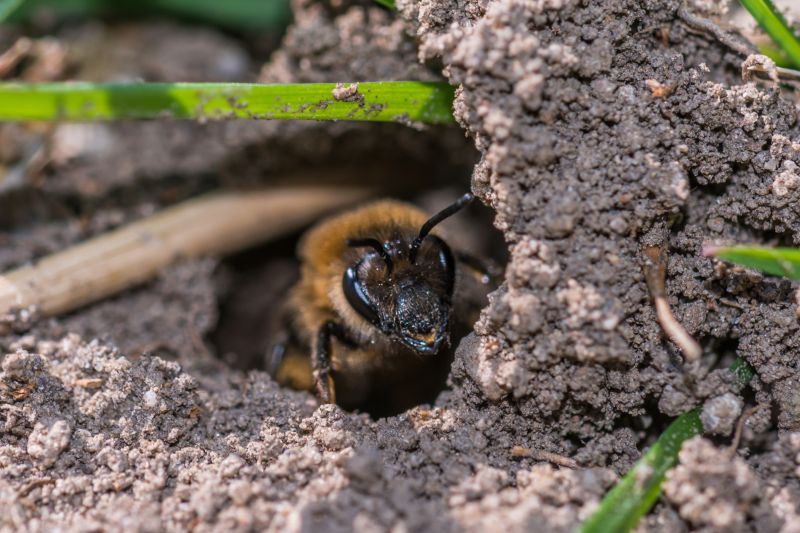

Identifying signs you have bees nesting in your home or building can help property owners address the situation promptly. Common indicators include seeing a persistent buzzing sound near eaves, attic vents, or wall cavities, especially during warmer months. You might notice a buildup of bees or a visible hive structure, often resembling a papery, honeycomb-like cluster attached to the exterior or interior of the building. Additionally, the presence of a strong, sweet smell or increased activity around specific areas can signal that a bee colony has taken up residence nearby.
When these signs are observed, it’s advisable to consider bee nest removal services from local contractors experienced with safely handling such situations. Professional removal helps prevent potential damage to the property and reduces the risk of aggressive bee behavior. Local service providers can assess the location of the nest, determine the best removal method, and ensure the bees are managed responsibly, whether through removal or relocation. Connecting with trusted local experts ensures the issue is addressed effectively and safely.
What are common signs that indicate bees may be nesting in a home or building? Visible swarms, honeycomb structures, or a persistent buzzing sound near walls or eaves can suggest bees are nesting inside or nearby.
How can I identify if a bee activity is a sign of a nest rather than just a swarm? Bees often stay in one place once they establish a nest, so observing a steady presence of bees around a specific area over time is a key indicator.
Are there specific areas in a home or building where bee nests are more likely to be found? Bee nests are commonly found in wall voids, attics, soffits, or behind exterior siding, especially in sheltered, hard-to-see spots.
What should I do if I notice signs of a bee nest in my property? It’s advisable to contact local service providers who specialize in bee nest removal to handle the situation safely and effectively.
Why is professional removal important if I suspect a bee nest in my home or building? Professional pros can identify the nest accurately, remove it safely, and help prevent potential stings or property damage caused by the hive.
Swarm activity near entry points - noticing bees gathering around vents, eaves, or window frames can indicate a nearby nest that needs professional removal.
Unusual buzzing sounds inside walls - hearing persistent buzzing or clicking inside walls or ceilings may suggest bees have established a nest within the structure.
Visible hive or honeycomb structures - spotting small honeycomb clusters or wax deposits around the building’s exterior can signal active nesting sites for local contractors to address.
Bee activity around specific areas - frequent congregation of bees around certain spots, especially during warm months, can be a sign that a nest is present and requires professional removal services.
If you are thinking about signs you have bees nesting in your home or building for a property, this guide is meant to help you understand this topic, the typical project types, and how different options might fit your plans.
When you are ready, you can use the quote form on this page to share a few details about your project. From there, local pros can review the basics and follow up with options that match what you have in mind.