Humane Bee Removal Methods Explained
People seeking humane bee removal methods explained are often looking to safely and ethically remove bees without harm, and local service providers can assist with effective, compassionate solutions.
If you’ve recently noticed bees around your property, understanding humane bee removal methods explained can be a helpful first step in addressing the situation. Property owners in the area might find this topic relevant if they’re dealing with bees nesting in hard-to-reach spots, or if they’re concerned about safely and ethically relocating the hive without causing harm. Exploring this approach ensures that the bees are treated with respect while protecting your home and outdoor spaces, making it a practical consideration for anyone facing a bee presence on their property.
Local contractors who specialize in humane bee removal services are equipped to handle these situations with care and skill. They utilize methods that prioritize the well-being of the bees while effectively removing the hive from your property. Keep reading to learn more about how these professionals approach humane bee removal, and how they can help you resolve bee-related concerns in a safe, ethical manner that aligns with best practices for both property owners and the bees themselves.
- Bee removal services - are needed when bees have established a hive in a building or structure, and local contractors employ humane techniques to safely relocate the colony.
- Bee exclusion work - is required when bees are nesting in inaccessible areas, and service providers use humane methods to encourage bees to leave without harm.
- Bee hive removal - is sought when a hive has formed in an area that needs to be cleared, with local pros carefully removing the hive to prevent bee mortality.
- Bee proofing services - are necessary to prevent future infestations, with local contractors implementing humane exclusion strategies to keep bees out.
- Bee swarm removal - is needed when a swarm gathers nearby, and service providers use humane techniques to safely guide the swarm away from the property.
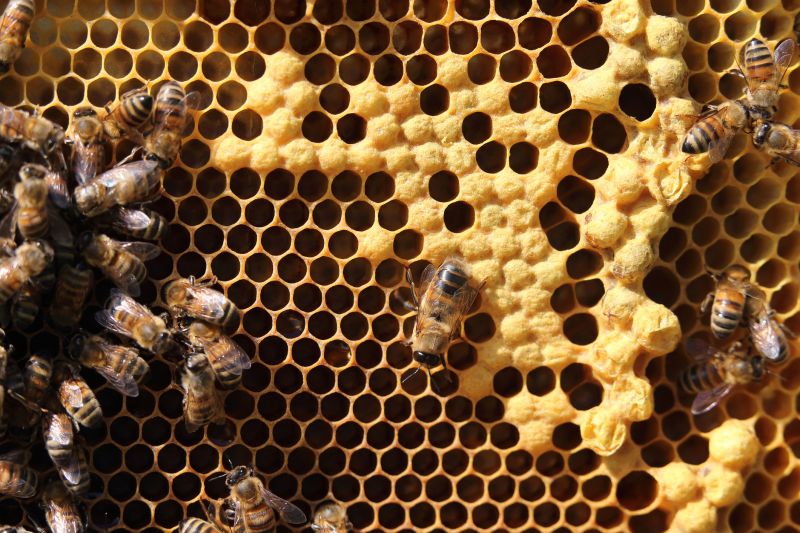
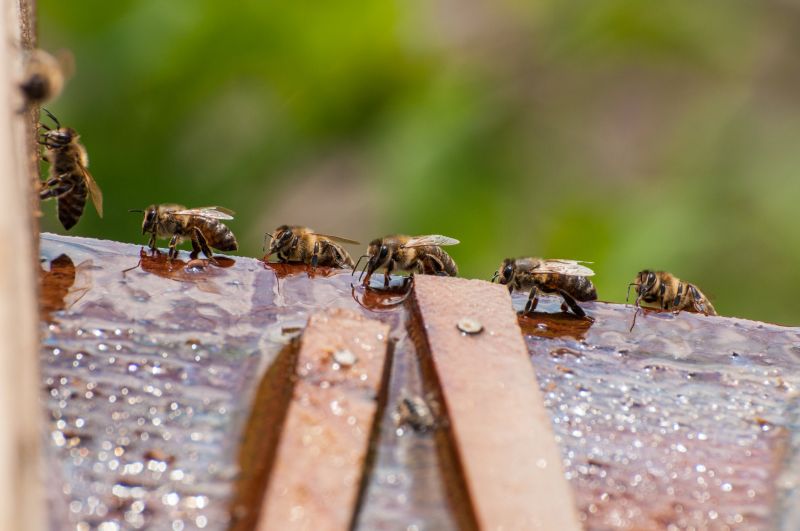
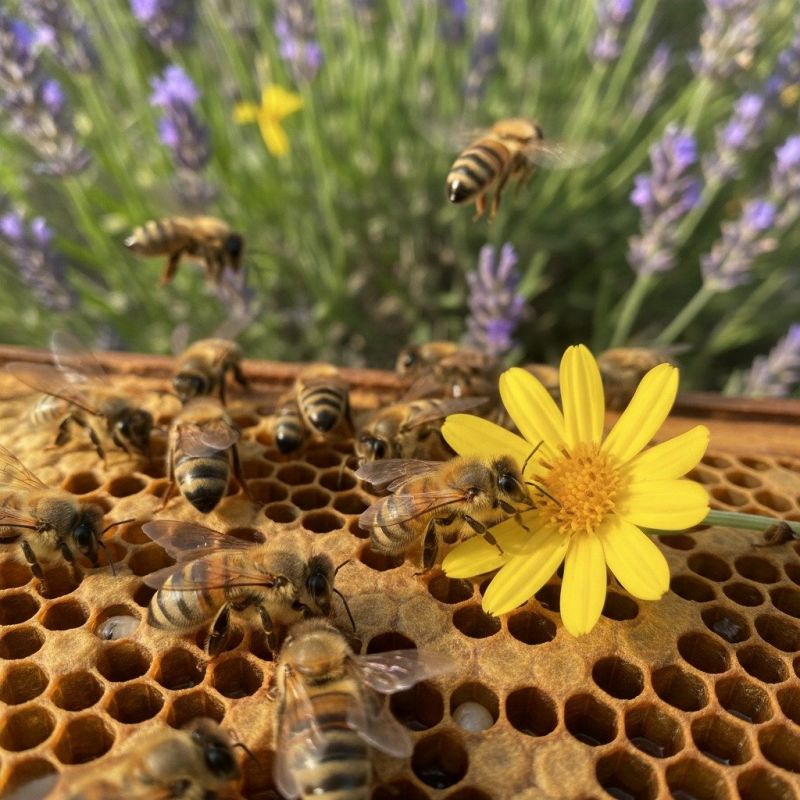
Humane bee removal methods explained typically refer to techniques used to safely and ethically remove bee colonies from properties without causing harm to the insects. When homeowners search for this topic, they are often concerned about the welfare of the bees, especially if the colony is located in or near their homes. These methods focus on relocating bees rather than exterminating them, aligning with a desire to protect pollinators while addressing property concerns. People may also be interested in learning about the differences between humane approaches and traditional pest control, seeking options that are both effective and considerate of bee populations.
This topic is closely related to various property-related problems and plans. For example, a homeowner might discover a large hive or swarm in their attic, wall cavities, eaves, or outdoor structures like sheds and trees. Such situations often prompt questions about how to remove the bees without damaging the property or disrupting the local ecosystem. Additionally, property owners may be planning renovations or repairs that could disturb a bee colony, making humane removal methods a priority. Understanding these techniques helps homeowners make informed decisions that balance property maintenance with ethical considerations for the bees.
The types of properties that typically come up in discussions about humane bee removal include residential homes, especially those with older or wooden structures, as well as commercial buildings, farms, and urban properties. In residential settings, bees often establish hives in attics, wall voids, or roof eaves, which can pose safety and health concerns if left unaddressed. On farms and larger properties, bee colonies might settle in barns, equipment, or trees. Urban environments also see colonies in less obvious places like balconies, rooftop gardens, or abandoned structures. Local service providers experienced in humane bee removal are equipped to handle these diverse property types, ensuring the bees are safely relocated without damage or unnecessary harm.
Understanding humane bee removal methods explained helps homeowners recognize how these approaches fit into larger property management and ecological considerations. When a colony is discovered, local pros can assess the situation and recommend the most appropriate, non-lethal removal techniques. These methods often involve carefully relocating the hive to a suitable environment, such as a beekeeper’s apiary, rather than extermination. This approach not only resolves immediate property concerns but also supports local bee populations. Connecting with experienced service providers ensures that the removal process is handled humanely, respecting both the property owner’s needs and the importance of bees in the ecosystem.
Wildlife exclusion projects - these involve sealing entry points and preventing animals like bees from re-entering structures, requiring planning and careful inspection similar to humane bee removal methods explained.
Pest proofing services - local contractors specialize in identifying and sealing gaps to keep pests out, which shares skills with humane bee removal techniques that focus on non-lethal exclusion.
Nest removal and cleanup - professionals safely remove bird or animal nests from buildings, employing gentle methods that align with humane bee removal practices explained.
Structural inspection and repair - inspecting buildings for entry points and repairing damages is essential in humane bee removal, requiring similar planning and attention to detail.
Hive and swarm removal - handling swarms and hive relocations involves understanding bee behavior and using humane methods, paralleling services that focus on non-invasive removal techniques.
Wildlife habitat modification - adjusting landscaping or structures to prevent animal nesting can relate to humane bee removal strategies that aim to discourage future infestations.
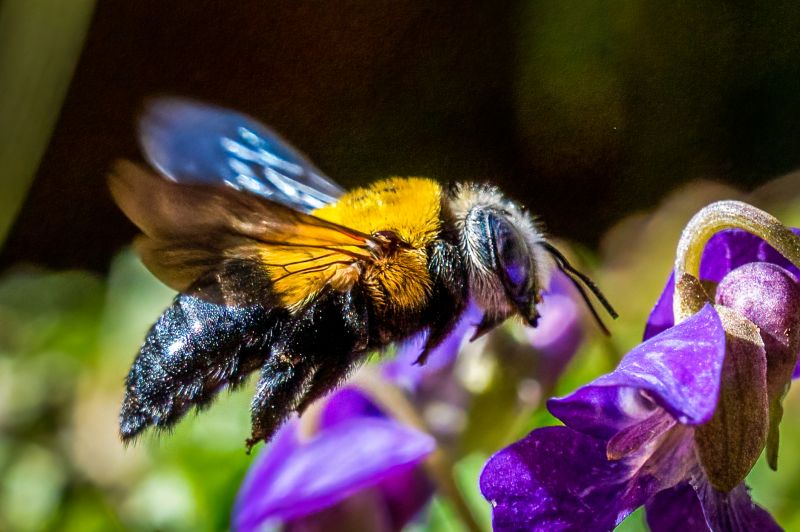
When evaluating local contractors for humane bee removal, it’s important to consider their experience with similar projects. A service provider with a proven track record in humane bee removal methods can demonstrate familiarity with various situations, such as hive relocation or removal without harm to the bees. Asking about their previous work or requesting references can provide insight into their expertise and success with projects like yours. This helps ensure that the chosen professional understands the nuances of humane removal and can handle the job effectively.
Clear, written expectations are essential when comparing service providers. A reputable local contractor should be able to provide detailed information about the methods they use, what the removal process entails, and any follow-up steps. Having this information in writing helps clarify the scope of work and prevents misunderstandings. It also allows for a more straightforward comparison between different providers, ensuring that everyone is aligned on what humane bee removal involves and what to expect throughout the process.
Good communication and reputable references are critical indicators of a reliable service provider. Local pros who are transparent about their approach and willing to answer questions demonstrate professionalism and a commitment to customer service. Additionally, seeking out references or reviews from past clients can offer valuable perspectives on their reliability and the quality of their work. Effective communication ensures that homeowners feel informed and confident in the process, which is especially important when considering humane bee removal methods, as understanding the approach can influence satisfaction with the outcome.
Property owners often search for humane bee removal methods explained when they are planning practical projects around their homes and businesses. Local pros provide Humane Bee Removal services for everyday jobs and straightforward project options.
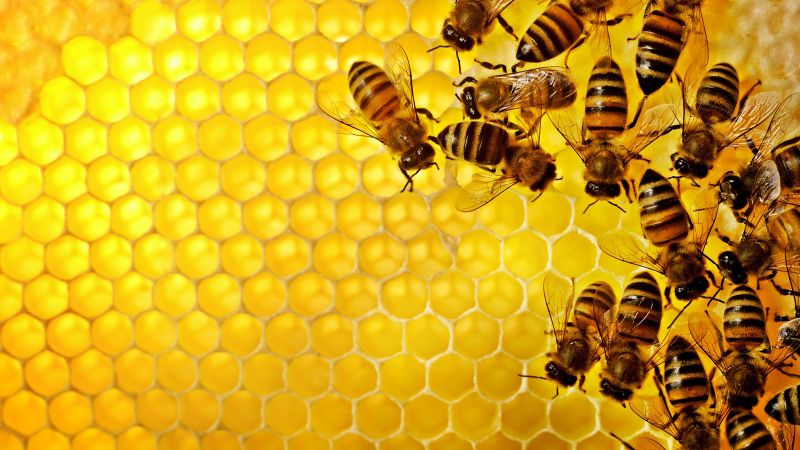
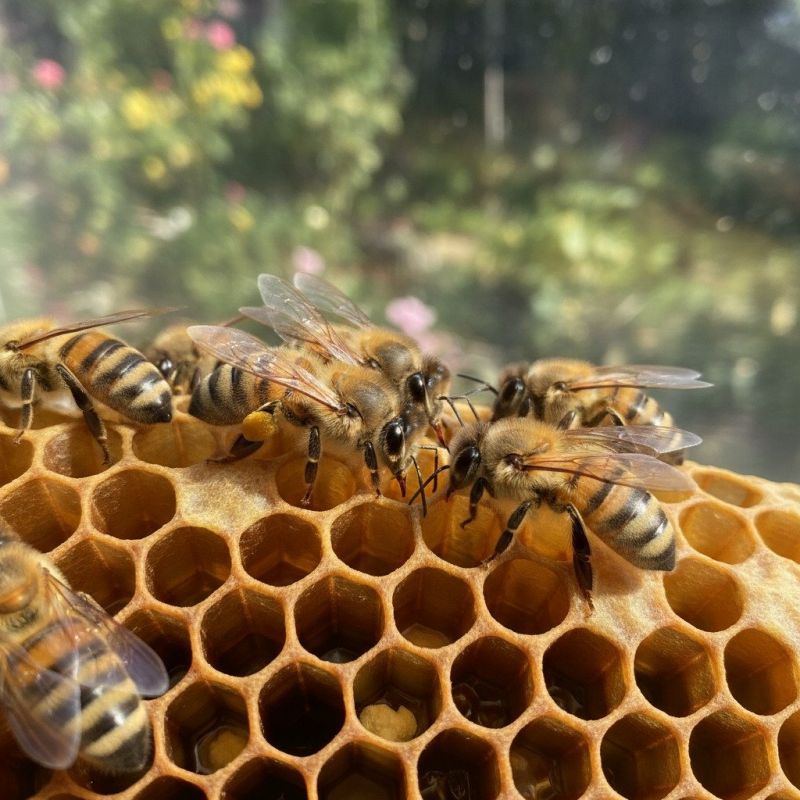
In many residential and commercial settings, property owners may encounter situations where bees establish colonies on or around their structures. Understanding humane bee removal methods explained can help individuals appreciate options that prioritize bee safety while addressing the issue effectively. Local contractors who specialize in humane bee removal often use techniques that gently relocate bees without harming them, making it a suitable choice for those seeking an ethical solution to bee-related concerns.
People searching for humane bee removal methods explained might be motivated by a desire to protect local pollinators or avoid the negative impact of extermination. Property owners can benefit from the expertise of local service providers who are experienced in handling bee removal with care and respect for the insects. Connecting with local contractors ensures that the removal process aligns with humane practices, providing a responsible approach to managing bee colonies on private or commercial properties.
What are humane bee removal methods? Humane bee removal methods focus on safely relocating bees without harming them, often involving gentle removal techniques and hive relocation by experienced service providers.
How do local contractors perform humane bee removal? Local contractors typically use non-lethal approaches such as hive relocation, using specialized tools to carefully remove bees and their hive to a safe environment elsewhere.
Are humane bee removal methods effective for all bee species? While most methods work well for honeybees, some species may require different approaches; experienced service providers can determine the best humane removal strategy based on the bee type.
What steps do service providers take to ensure bee safety during removal? They often use protective gear, gentle handling, and hive relocation techniques to ensure the safety of both the bees and the property owner during the removal process.
Can humane bee removal methods prevent future bee problems? Yes, professional service providers can identify and seal entry points after removal to help prevent bees from returning, promoting a humane and effective solution.
Understanding humane bee removal methods explained - property owners can learn about gentle techniques used by local contractors to safely remove bees without harm.
Choosing appropriate removal tools and techniques - property owners may work with local pros to select methods like smoke or relocation boxes that minimize bee stress.
Identifying bee hive locations safely - property owners can collaborate with local service providers to locate and assess bee colonies for humane removal options.
Implementing removal and relocation strategies - property owners might coordinate with local contractors to ensure bees are relocated responsibly to suitable habitats.
If you are thinking about humane bee removal methods explained for a property, this guide is meant to help you understand this topic, the typical project types, and how different options might fit your plans.
When you are ready, you can use the quote form on this page to share a few details about your project. From there, local pros can review the basics and follow up with options that match what you have in mind.