Health and Safety Risks Associated With Bee Infestations
People searching for bee infestation treatment aim to eliminate health and safety risks associated with bee infestations, which local service providers can safely and effectively address.
Understanding the health and safety risks associated with bee infestations is crucial for property owners, especially those noticing signs of a hive or swarm on their property. Bee colonies can pose serious dangers, as their stings can cause allergic reactions or even be life-threatening in some cases. Additionally, large or hidden nests can lead to structural damage or create hazardous conditions for residents, visitors, or workers. Addressing these concerns promptly with the help of experienced local contractors ensures that the infestation is managed safely and effectively, reducing potential health hazards and preventing further issues.
For property owners in the area, exploring bee infestation treatment options is a practical step toward safeguarding both health and property. Local service providers specialize in safely removing bee colonies and treating infestations to minimize risks. They can assess the situation, identify the type of bees involved, and implement targeted solutions to eliminate the threat while maintaining safety standards. Keeping these risks in mind and connecting with qualified local contractors can help ensure that bee-related concerns are addressed responsibly, protecting everyone on the property.
- Bee infestation removal - when bee colonies pose health and safety risks, local contractors use careful removal methods to protect residents and prevent stings.
- Hive cleanup and disposal - in cases where hives are located near high-traffic areas, service providers safely remove and dispose of bee nests to reduce injury risks.
- Structural bee proofing - when bees have established colonies in building structures, local pros implement sealing techniques to prevent future infestations and associated safety hazards.
- Emergency bee hive removal - in urgent situations where bee activity threatens safety, local contractors respond promptly to eliminate the risk of stings or allergic reactions.
- Post-removal safety assessment - after bee hive removal, service providers evaluate the area to ensure health and safety risks associated with bee infestations are minimized.
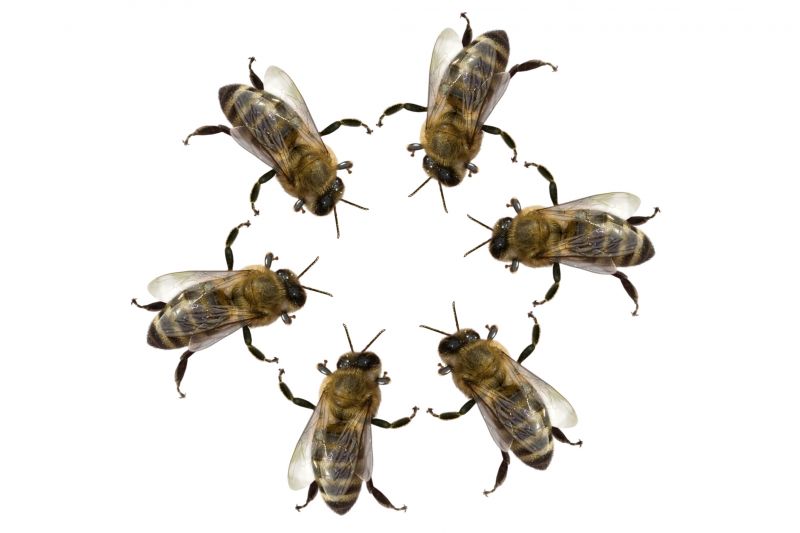
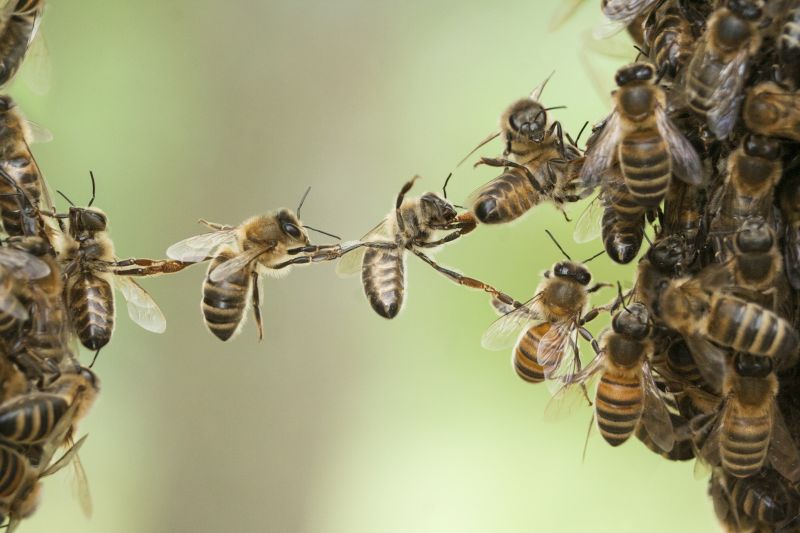
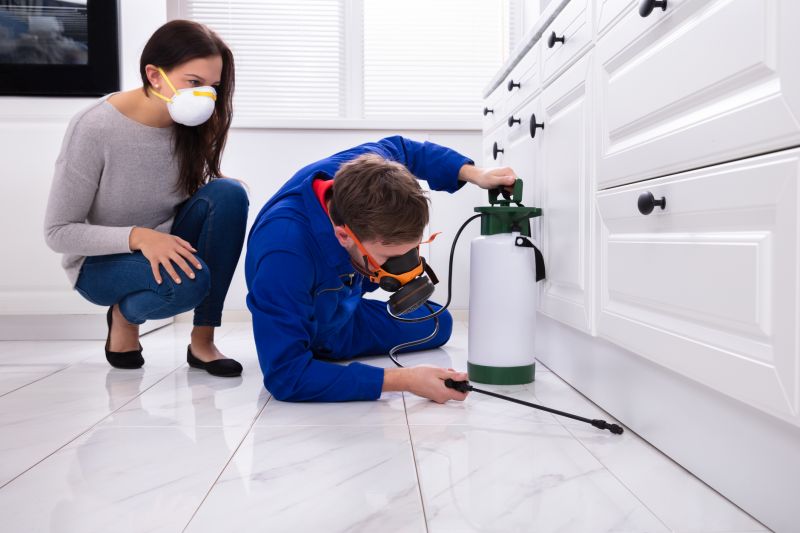
When people search for information about health and safety risks associated with bee infestations, they are often concerned about the potential dangers that these insects pose to household members and property. Bee colonies, especially when they establish themselves in or near homes, can create hazardous situations due to their aggressive behavior when disturbed. This topic typically relates to situations where the presence of a large hive or swarm has been noticed, raising questions about the safety of occupants, particularly children, pets, or individuals with allergies. Homeowners may be seeking guidance on how to identify the risks, understand the urgency of removal, and find appropriate treatment options to mitigate these dangers effectively.
Bee infestations can lead to a variety of problems beyond just the presence of insects. The health and safety risks associated with bee infestations include allergic reactions, which can be severe or even life-threatening for some individuals. Additionally, large colonies can cause structural damage, as their nesting activities may weaken wood or other building materials over time. For property owners, this means planning for removal and prevention is often part of broader property maintenance or renovation projects. Local service providers who specialize in bee removal can assist in safely eliminating colonies, reducing the risk of stings, and preventing future infestations, thereby protecting both health and property integrity.
The types of properties most commonly affected by bee infestations tend to be residential homes, especially those with accessible attics, wall voids, or exterior structures such as eaves, sheds, and pergolas. Rural properties, farms, and older buildings are also at higher risk due to their proximity to natural nesting sites and less frequent maintenance. Commercial properties, particularly those with outdoor storage or landscaping, may also encounter bee colonies, which can interfere with daily operations and pose safety concerns. Understanding the property types involved helps homeowners and property managers recognize the importance of professional bee removal services to address health and safety risks effectively.
Addressing health and safety risks associated with bee infestations involves more than just removal; it requires careful planning and execution to prevent harm. Local bee infestation treatment providers are equipped to handle these situations by safely removing colonies and implementing strategies to prevent re-infestation. They play a vital role in managing the risks by ensuring the colony is eliminated without provoking aggressive behavior or causing injury. For homeowners facing a bee problem, connecting with experienced local contractors can provide peace of mind, knowing that the infestation will be handled professionally, minimizing health hazards and safeguarding the property.
Wildlife removal projects - these services involve safely removing animals like bees from structures, requiring planning and specialized tools similar to bee infestation treatments.
Pest control services - professionals managing other stinging insects or pests often use methods that overlap with bee removal, emphasizing safety and careful planning.
Structural damage repair - repairing damage caused by bee colonies or hive removal involves assessing and restoring affected areas, paralleling the safety considerations in bee infestation treatments.
Hazardous material cleanup - cleaning up hive debris or residues involves handling potentially hazardous materials, requiring safety protocols akin to those used in bee control projects.
Attic and wall cavity inspections - inspecting concealed spaces for bee activity involves careful planning and access techniques similar to those used in bee infestation management.
Building sealing and exclusion services - sealing entry points to prevent bee re-entry involves planning and precise work comparable to bee infestation prevention efforts.
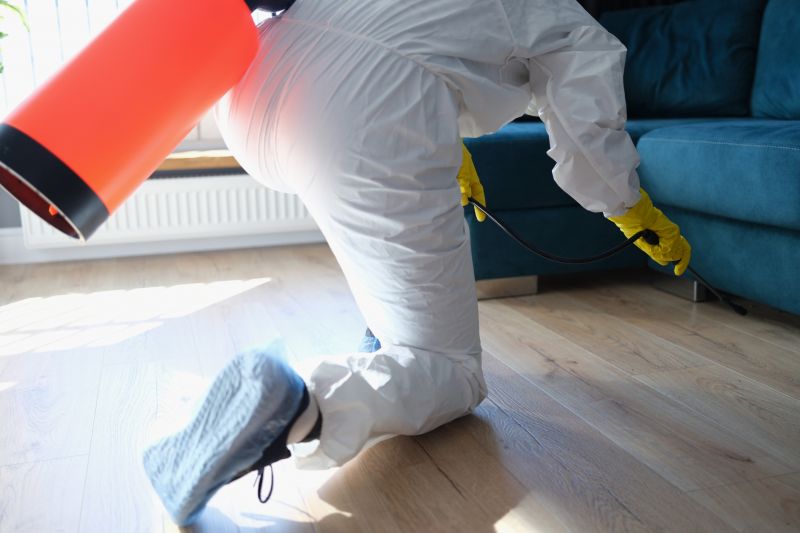
When evaluating service providers for bee infestation treatment, it is important to consider their experience with similar projects. Homeowners should seek out local contractors who have a proven track record of effectively handling bee infestations, especially in situations that pose health and safety risks. An experienced professional will be familiar with the best methods to safely remove bees and mitigate potential hazards, reducing the likelihood of accidental stings or the release of aggressive bees during treatment. This familiarity can contribute to a safer and more efficient resolution, minimizing the risk of injury or further infestation.
Clear written expectations are essential when choosing a bee treatment service. Homeowners should look for providers who can provide detailed descriptions of their approach, including safety precautions, cleanup procedures, and how they will address any potential health risks. Having a transparent plan helps ensure that both parties understand the scope of work and safety measures involved, reducing misunderstandings and ensuring that the infestation is managed responsibly. Well-defined expectations also support accountability and make it easier to assess whether the service provider’s approach aligns with safety priorities.
Reputable references and good communication are key indicators of a trustworthy service provider. Homeowners are encouraged to seek out local contractors who can provide references from previous clients, particularly those who have dealt with similar bee-related health and safety concerns. Open lines of communication allow homeowners to ask questions, express concerns, and receive clear, timely information about the treatment process. This level of transparency and responsiveness can help ensure that the infestation is handled safely and effectively, with a focus on protecting the health of residents and minimizing risks associated with bee infestations.
Property owners often search for health and safety risks associated with bee infestations when they are planning practical projects around their homes and businesses. Local pros provide Bee Infestation Treatment services for everyday jobs and straightforward project options.
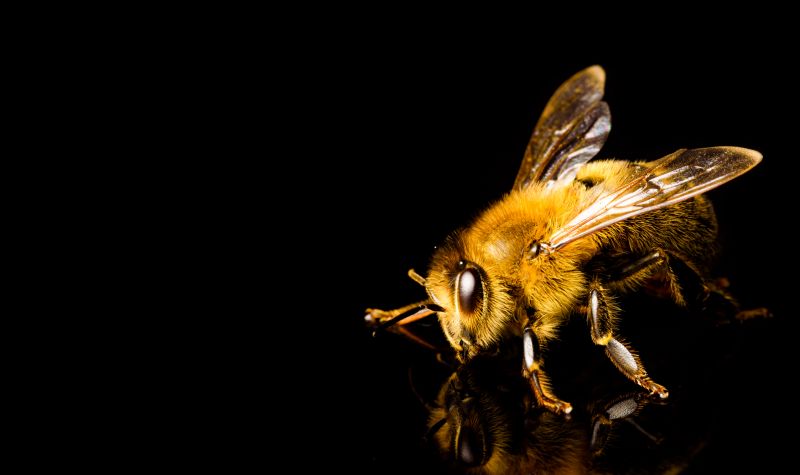
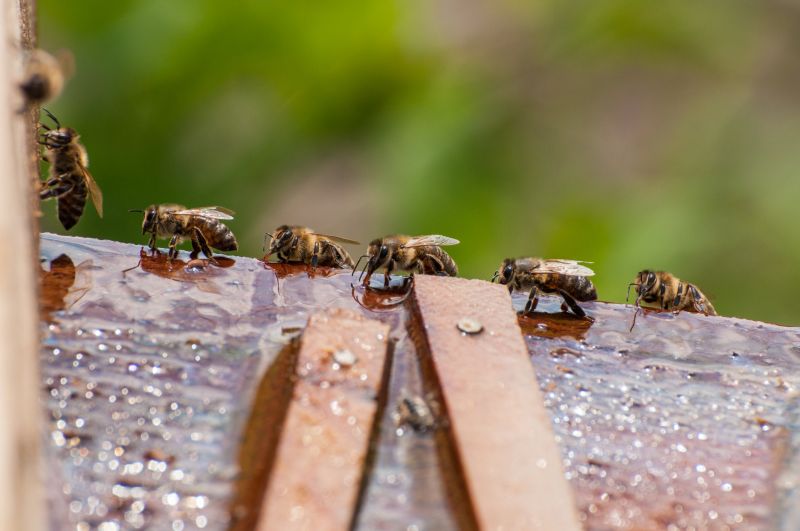
Bee infestations in residential or commercial properties can pose significant health and safety risks. When bees establish colonies in walls, attics, or outdoor structures, they can become a hazard for anyone nearby, especially if the hive is disturbed. Stings from bees can cause allergic reactions in some individuals, which may lead to serious health issues. Additionally, large colonies can attract other pests or cause structural damage over time, creating further safety concerns for property owners.
For property owners in the area noticing signs of a bee infestation, seeking treatment services from local contractors is a practical step. Professional bee removal specialists are equipped to handle these situations safely and effectively, reducing the risk of stings and preventing potential health hazards. Connecting with experienced service providers can help ensure that bee colonies are removed properly, minimizing safety risks and protecting the property and its occupants.
What are the health risks associated with bee infestations? Bee infestations can pose health risks such as allergic reactions, including swelling, difficulty breathing, or anaphylaxis, especially for individuals allergic to bee stings. Local contractors can safely remove hives to reduce these dangers.
How can bee infestations impact indoor air quality and safety? Bee colonies inside buildings can lead to increased allergens and potential for stings, creating a hazard for inhabitants. Professional bee treatment services can address these issues effectively and safely.
Why is it important to address bee infestations promptly? Delaying removal of bee colonies can increase health and safety risks, including the chance of aggressive behavior or hive collapse, which can cause stings and allergic reactions. Local service providers can handle removal safely to prevent these risks.
Are there any health concerns related to hive removal methods? Some removal methods, if not performed properly, can cause bee stings or hive collapse, releasing allergens and increasing safety hazards. Experienced local pros use safe techniques to minimize these risks.
What safety precautions do bee infestation treatments involve? Treatments typically involve protective gear and careful hive removal to prevent stings and allergen exposure. Contacting trained local contractors ensures that safety measures are properly followed during removal.
Identify bee nesting sites - property owners can assess areas like attics, wall cavities, or tree branches where bees may establish colonies, enabling them to plan for professional removal services.
Recognize signs of bee activity - noticing buzzing sounds, hive entrances, or wax combs helps property owners understand potential health and safety risks associated with bee infestations.
Implement safety precautions - property owners can clear access to infested areas and keep people and pets away until local contractors handle the removal to reduce risk of stings or allergic reactions.
Schedule professional removal services - connecting with experienced service providers ensures safe and effective bee hive removal, minimizing health and safety risks associated with bee infestations.
If you are thinking about health and safety risks associated with bee infestations for a property, this guide is meant to help you understand this topic, the typical project types, and how different options might fit your plans.
When you are ready, you can use the quote form on this page to share a few details about your project. From there, local pros can review the basics and follow up with options that match what you have in mind.